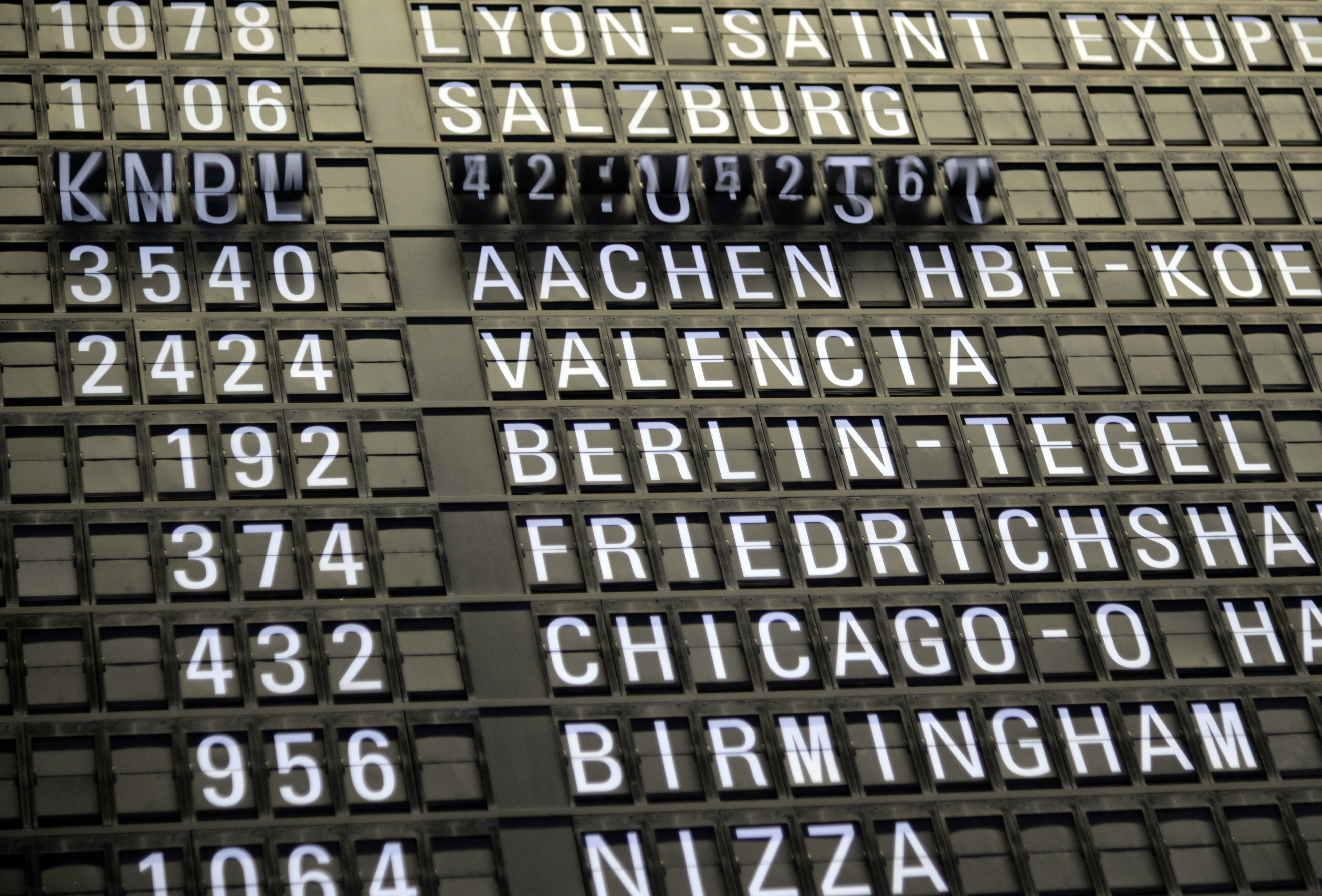
Few things ruin a trip faster than a flight that’s delayed for hours or cancelled at the last minute. The good news is that in many cases, passengers are legally entitled to compensation. The bad news is that most people never claim it.
Here’s a simple guide to understanding your rights and getting what you’re owed.
When can you claim compensation?
Under the EU’s passenger rights regulation (often called EU261), you may be entitled to compensation if:
- Your flight arrived at its final destination 3 or more hours late
- Your flight was cancelled with less than 14 days’ notice
- You were denied boarding because the airline overbooked the flight
The rules cover flights departing from an airport in the EU, and flights arriving in the EU on an EU-based airline. Similar rules exist in the UK. This matters for travelers in the Balkans: a flight leaving Tirana or Skopje on a non-EU airline, for example, may not be covered, while a flight leaving from an EU airport usually is.
How much can you get?
Compensation depends on the distance of your flight:
| Flight distance | Compensation |
|---|---|
| Up to 1,500 km | €250 |
| 1,500 to 3,500 km | €400 |
| More than 3,500 km | €600 |
These amounts are per passenger, so a family of four could be owed a considerable sum.
When won’t you get compensation?
Airlines don’t have to pay if the disruption was caused by “extraordinary circumstances” outside their control. Typical examples include severe weather, air traffic control strikes, security risks and airport closures.
A technical fault or crew shortage, however, is usually considered the airline’s responsibility. Airlines sometimes label every delay as extraordinary, so it’s worth checking before you accept their answer.
Your other rights during a delay
Even if you aren’t owed cash compensation, the airline generally must look after you if you’re stuck waiting:
- Meals and refreshments
- Hotel accommodation if you’re delayed overnight
- Transport between the airport and the hotel
- A refund or re-routing if your flight is cancelled
Keep your receipts for anything you pay for yourself.
How to make a claim, step by step
- Gather your documents. Booking confirmation, boarding pass and any messages from the airline.
- Note the details. Planned and actual departure and arrival times, and the reason the airline gave.
- Contact the airline. Submit a written claim through their website or by email and keep a copy.
- Be patient but persistent. Airlines can take weeks to reply, and first answers are often rejections.
- Escalate if needed. You can go to a national enforcement body or take legal action, or use a claims service.
Should you use a claims service?
Claim companies handle the paperwork for you, usually in exchange for a percentage of the compensation if they win. That means no upfront cost, but you give up a share of the money.
Doing it yourself keeps 100% of the payout but takes time and effort. Using a service is easier, especially if the airline refuses or ignores you. You can check whether your flight qualifies for free with a tool like AirHelp before deciding.
Mistakes to avoid
- Waiting too long. Claim deadlines vary by country, from one year to several years. Don’t leave it.
- Accepting a voucher too quickly. Airlines sometimes offer travel vouchers instead of cash. You can usually decline them.
- Signing a waiver. Don’t sign anything at the airport that says you give up your rights.
- Not keeping proof. Screenshots, receipts and boarding passes can make or break a claim.
This post contains an affiliate link. This article is for general information purposes only and does not constitute legal advice. Passenger rights rules, amounts, and deadlines are subject to change.
Leave a Reply